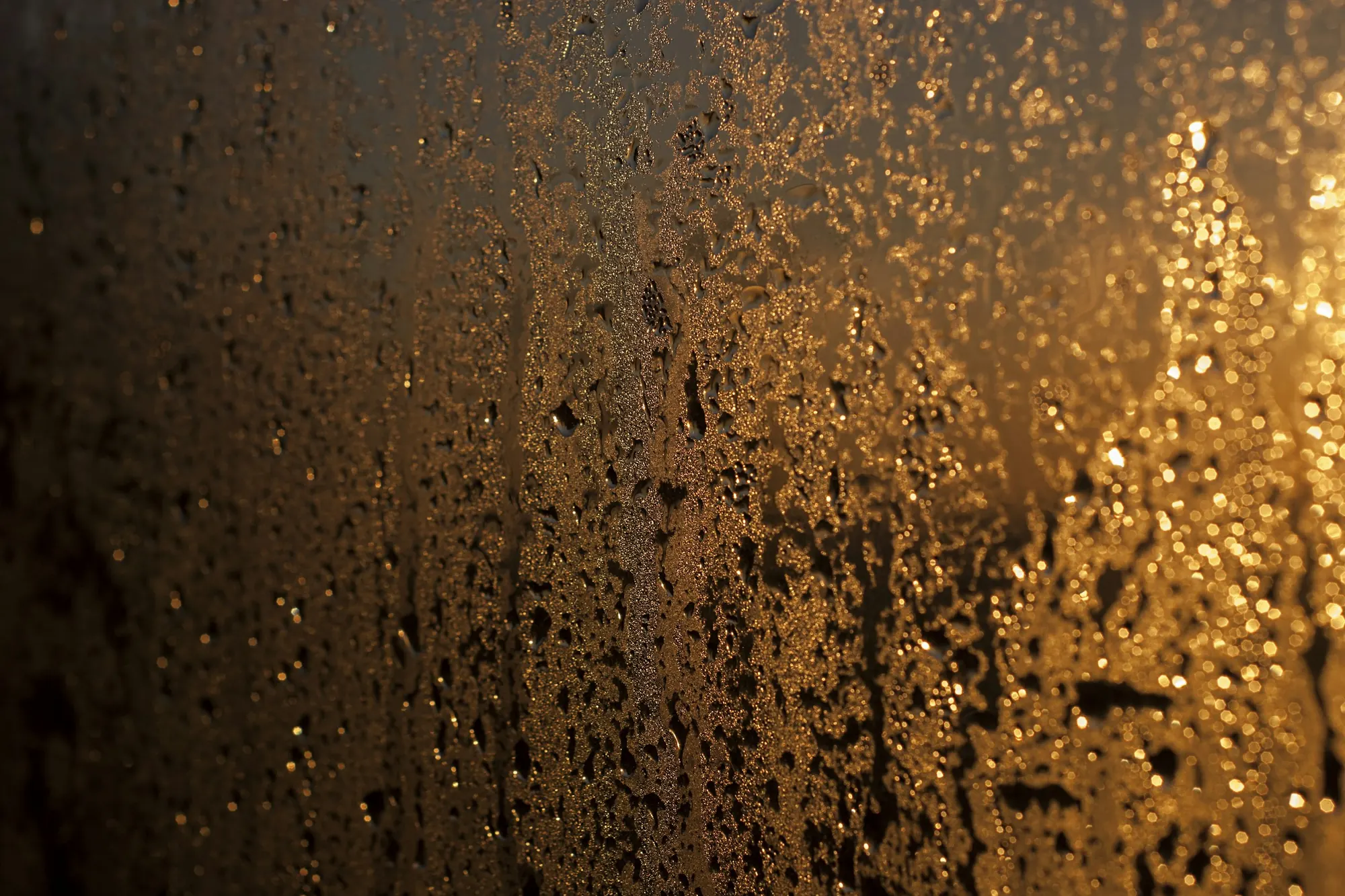
A wet window is often called a leak, but the water may not have come through the facade at all. It may have formed on a cold interior surface from humid room air. It may be on the outer face after a cool night. Or it may be trapped between panes inside a failed sealed unit. Those three cases have different causes and repairs. Before anyone reseals a window or orders new glass, identify exactly where the water is, when it appears and what the room and weather conditions were.
Begin with the location of the moisture
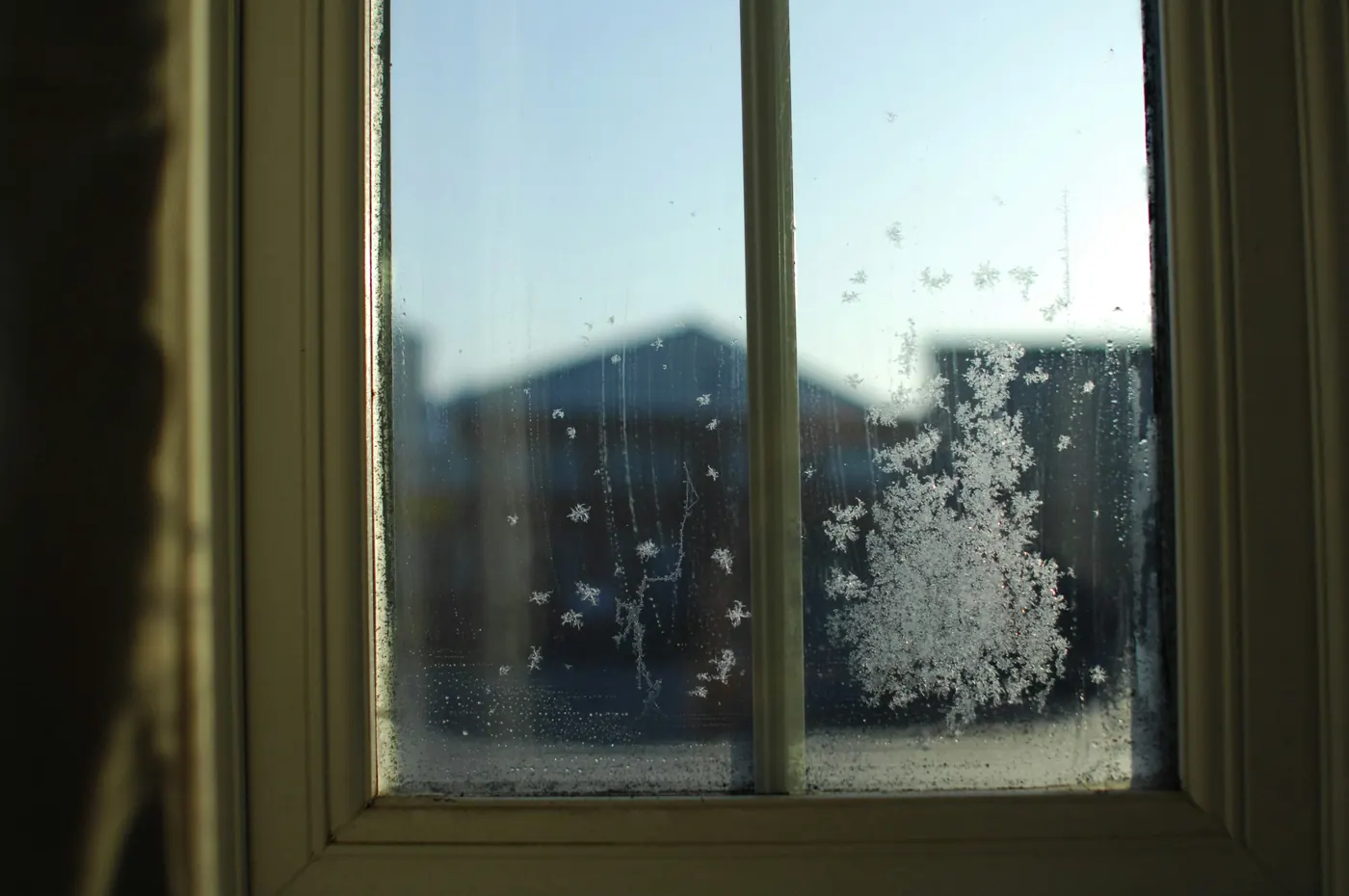
Interior surface condensation can be wiped from the room side. It often appears first at a cold glass edge, metal frame, corner or deep reveal. Exterior surface condensation can be wiped from outside and may occur on a well-insulating pane under certain cool, humid conditions. Moisture inside a double-glazed unit cannot be reached from either side and often looks like persistent fogging or staining. Record photographs from both sides if safe, and note whether rain was present. Water that arrives only during wind-driven rain still needs a leak investigation.
Look for a pattern. Does it occur at dawn, after cooking or washing, when an air-conditioning system starts, or after a monsoon storm? Is it limited to one pane, every room on one elevation, or the frame at a slab edge? A room with high indoor moisture and little ventilation can wet an otherwise sound window. A cold spot at an installation joint may point to missing insulation or a thermal bridge. A single fogged sealed unit may have an edge-seal defect. The pattern narrows the question before a destructive opening.
Why a surface gets wet
Air contains water vapour. When that air touches a surface cool enough for its temperature and moisture content, some vapour changes to liquid water. Reducing indoor humidity or raising the inside surface temperature can reduce that risk. A thermal break interrupts heat flow through an aluminium frame; an insulated glass unit and suitable edge spacer can improve the glass and edge temperature. But the result depends on the complete assembly and the indoor and outdoor design conditions, not on one material label.
Shades and deep curtains can change air circulation at a pane. A blocked heating outlet or furniture placed against a window may make a local surface cooler. In a hot, humid climate, cooled interior spaces can also create moisture problems in different parts of the envelope when outdoor humid air enters. The design team must review vapour and air movement for that building's climate and operating conditions. Copying a detail from a cold-climate project without checking the local moisture direction can create a new problem.
Investigate without guessing
A useful site record includes room temperature and relative humidity, outdoor conditions, the surface that is wet, photographs and the duration of the event. A specialist may use surface-temperature readings, thermal imaging under suitable conditions, or an inspection of the frame and wall junction. Measurements must be interpreted carefully: a thermal camera shows surface temperature patterns, not the hidden cause on its own. If the glazing is fogged internally, compare the installed unit mark with the approved schedule and warranty record.
Do not assume every stain under a window is condensation. Check sill and frame drainage, perimeter sealant and the wall above. A roof or cladding leak can travel before showing up at the window head. Conversely, resealing an exterior joint will not fix water forming on the room face from high indoor humidity. The repair should match the diagnosed path. That may mean ventilation changes, better thermal continuity, a correctly specified replacement insulated unit or a facade water-detail repair.
Design to reduce the risk
At specification stage, ask for whole-window thermal performance and condensation assessment at the intended interior and exterior conditions. Centre-of-glass data can hide the colder frame and edge. Review the aluminium profile, thermal break, glass make-up, spacer and the connection to the surrounding wall together. The interior air seal and insulation should continue through the junction. Coordinate with the building-services designer on expected indoor humidity and ventilation; the facade cannot control a room's moisture load by itself.
At installation, check that approved insulation, seals and drainage are actually present. Avoid filling designed drainage paths with sealant. Before handover, explain to the operator how indoor humidity, ventilation and window use affect surface moisture. Keep records of glass units and their seals. If a problem develops later, these details make diagnosis faster and help avoid replacing a whole facade element for a room-operation issue or blaming occupants for a construction defect.
Treat damage promptly
Repeated wetting can damage paint, plaster, timber and concealed materials. Dry the affected area and assess whether mould or deterioration needs specialist treatment. A fogged sealed unit usually needs a like-for-like engineered replacement rather than a hole drilled into it. If water appears at a structural glazing joint or around an overhead pane, restrict access as appropriate and call a qualified facade specialist. The safe response starts with identifying the type of moisture, then addressing the cause.
Use a short diagnostic sequence
First establish the face on which water appears. Wipe the room surface, then check whether the mist remains inside the unit. Next record the timing, weather and indoor conditions. Photograph both the wet area and the whole opening. Then compare several rooms: does the same corner or frame member get wet, or only a room with a high moisture load? Finally review the approved glass, frame and installation section. This sequence is more reliable than ordering a new pane because a single photograph looked like a failed seal.
Where a room has high humidity, review its actual use and ventilation before attributing the problem to the window. A newly finished building can also contain construction moisture in plaster or screed. Conversely, do not dismiss repeated local wetting as occupant behaviour when the frame or wall junction is substantially colder than adjacent areas. Record measurements under representative conditions and involve the building-services designer where air supply, extraction or set points are relevant. The facade and the room system share this problem.
Check the edge and the installation
The centre of a modern insulated pane may stay relatively warm while its edge, spacer or aluminium frame becomes the first place to condense water. A whole-window assessment captures more of that behaviour than a centre-of-glass U-value. Inspect whether the thermal break continues through corners and whether the surrounding wall insulation meets the frame. A metal fixing or exposed slab edge can create a local bridge. Any proposed repair must preserve structural fixing and weather protection while improving thermal continuity.
When moisture is inside a sealed unit, record its marking and ask the supplier to compare it with the warranty and production information. Replacement should match the approved safety, coating and thermal make-up, not just fit the opening. If several units fog prematurely, investigate whether drainage holds water against their edges or whether handling and installation damaged seals. A single failed unit and a pattern across an elevation call for different levels of investigation. Keep the findings with the maintenance record for the next review.
General guidance for orientation, not a specification. Applicable standards, values and details are confirmed per project with the facade consultant.