Broken or fogged facade glass creates pressure to order a replacement quickly. The obvious measurements are width and height, but they are only the beginning. A pane may be toughened, laminated, insulated, coated, heat-strengthened or built from several of those elements. Its edges may sit behind a pressure plate, be held by a structural silicone joint or connect through point fixings. Replacing it with something that looks similar can change safety, strength, colour, heat gain or weather performance. A disciplined record before removal protects the original design intent.
Make the area safe first
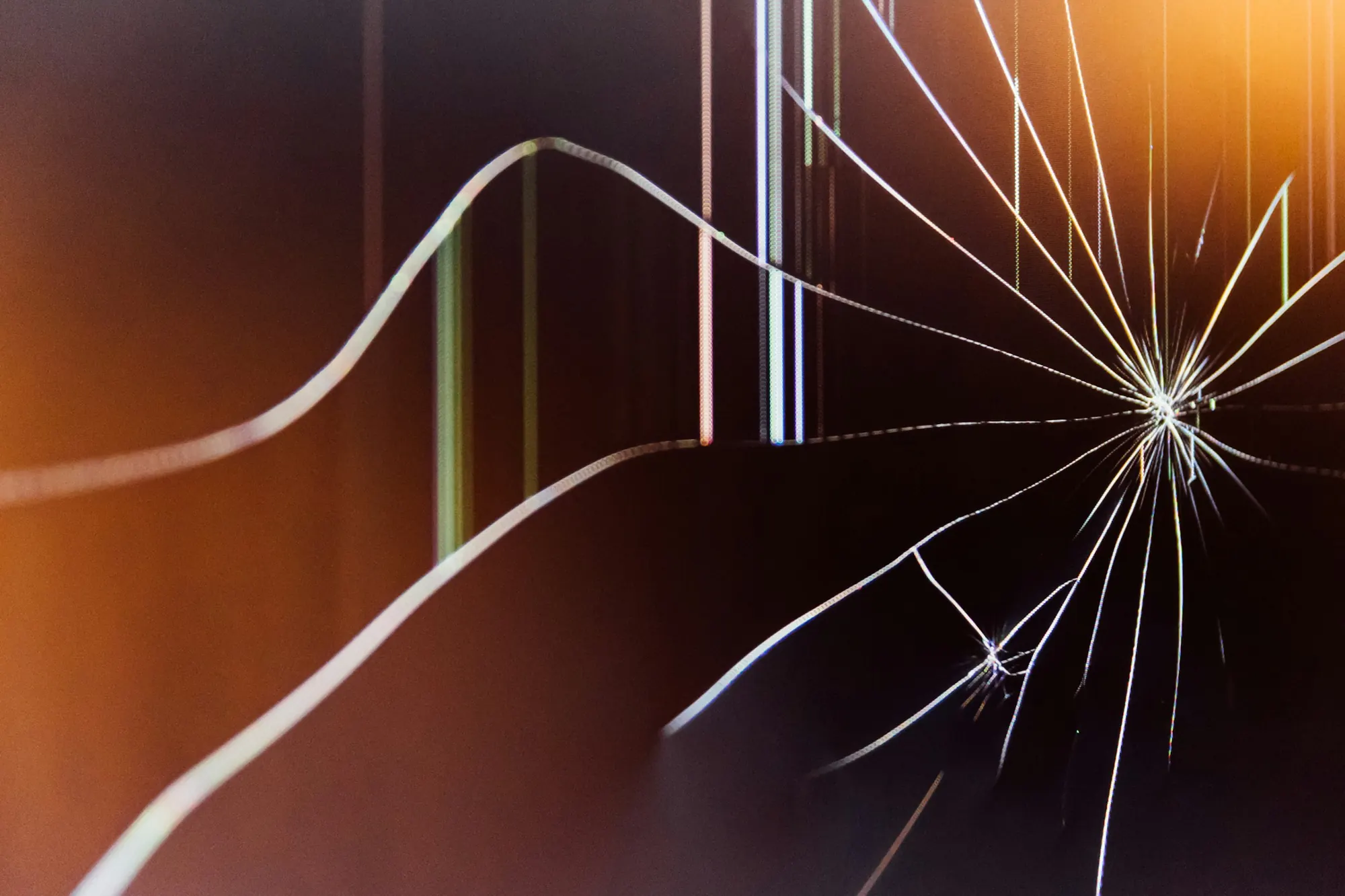
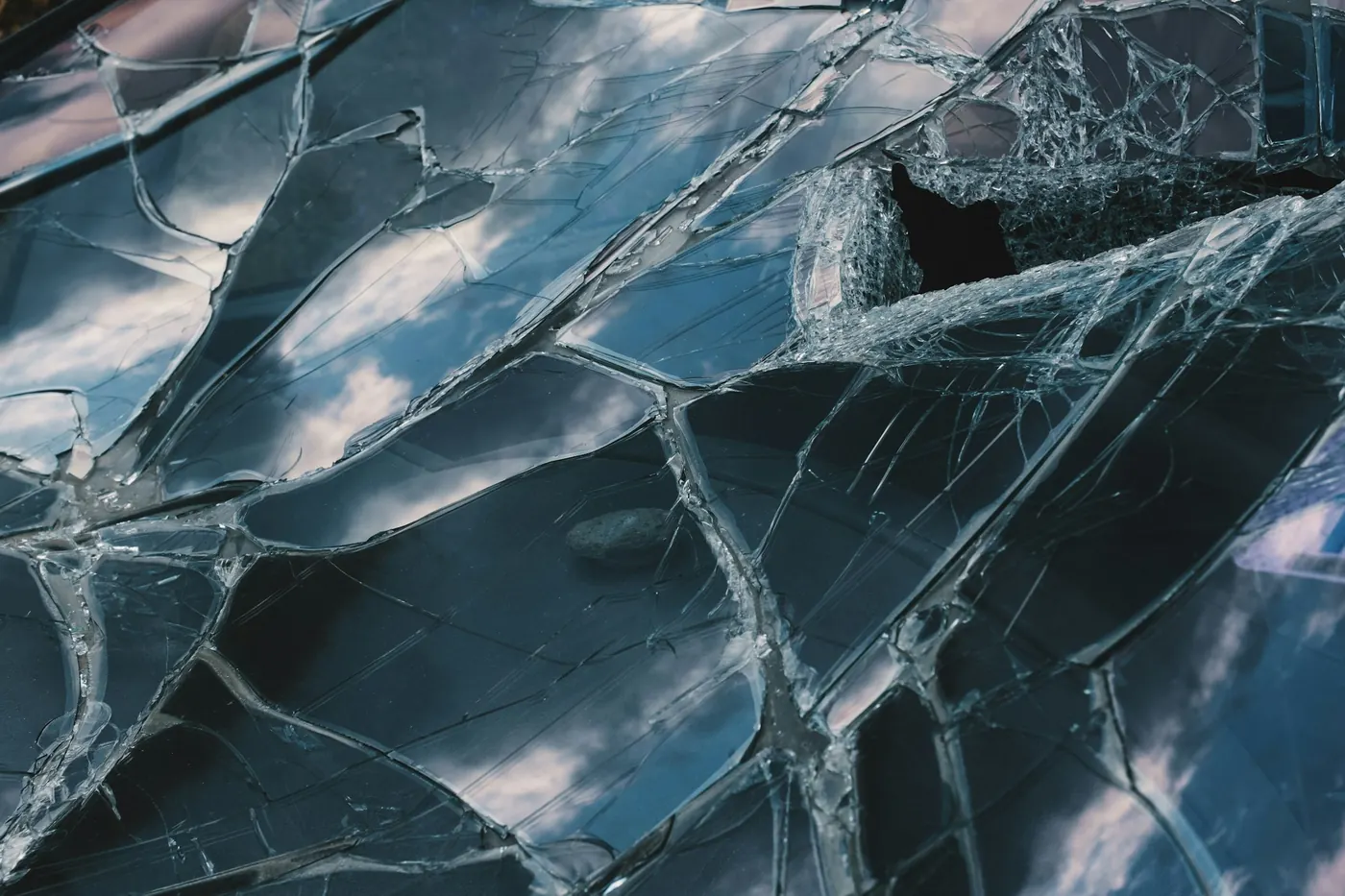
If glass is cracked, loose, overhead or beside a public route, restrict access and call a qualified facade specialist. Do not ask occupants to tape a high-level pane or remove loose fragments themselves. Assess the risk from falling glass, weather exposure and any temporary loss of security. Temporary protection should be designed for the situation and should not load damaged glass or block an emergency route. Photograph the pane from safe positions before work starts; its fracture pattern and support condition may help the investigation.
A failed insulated glass unit may show condensation between panes without immediate breakage, but it still needs identification. Record whether moisture is inside the unit or on an exposed surface. Note the location by elevation, floor, grid and panel number, plus any mark etched on the glass or shown on the as-built schedule. Obtain the approved shop drawings, glass schedule, test records and warranty details. If those are missing, a specialist may need to survey or examine a sample before specifying the new pane.
Identify every layer
Check dimensions, pane count, glass types, thicknesses, interlayer, cavity, coating, frit, colour and edge construction. Confirm which face a coating belongs on and whether safety glass is required by location. An insulated unit also needs a compatible spacer and edge seal. A balustrade, door, spandrel or overhead pane has duties beyond the appearance of a normal vision pane. The original schedule and the facade consultant's review should govern a like-for-like order; a supplier's nearest catalogue option may not be equivalent.
Appearance needs a real comparison. Glass from a different production batch may vary in tint or reflectance. View a sample beside the existing elevation in daylight and from typical distances. Consider whether the adjacent panes have aged or acquired a coating residue. The owner should decide the acceptable visual difference, while the engineer confirms performance. Do not change to a cosmetically closer product that fails a safety or thermal requirement simply to hide a mismatch.
Understand how the pane is supported
A captured pane can require removal of caps and pressure plates. A structurally glazed pane may depend on structural silicone and a controlled bonding process. Point-fixed glass has holes and fittings that demand exact coordination. Ask the system specialist how the pane can be removed, what adjacent components must be replaced, and whether a temporary support is needed. Reusing a damaged gasket, setting block or fixing can compromise a correctly made pane. Replacement should follow the approved system method.
Access and lifting may govern the programme more than manufacture. A large pane can need a crane, vacuum lifter, internal route or temporary removal of neighbouring panels. Check site loading and exclusion areas. Protect nearby glass and finishes from tools and fragments. The work plan should account for wind and rain while the opening is exposed. If the pane is part of an overhead system or a balustrade, the engineer should review the sequence and temporary condition explicitly.
Inspect the cause, not only the damage
A broken pane may have suffered impact, edge damage, movement restraint, thermal stress or another cause. A fogged unit may have an edge-seal failure or an installation condition that holds water against the seal. Inspect setting blocks, clearances, gaskets, drainage, frame distortion and adjacent joints. Where the cause is uncertain, keep the removed pane or clear photographs for specialist examination. Installing the same pane into the same damaging condition can lead to another failure.
Record any change to the approved glass make-up or installation method and obtain the right design review. Repair procedures for structural glazing can be especially sensitive to surface preparation, compatibility, cure and quality control. A field-applied bead should not be assumed equivalent to the original factory process. Ask what inspection or test is appropriate after the work; the answer depends on the support system and the repair scope.
Close the record after installation
Check the new unit's mark against the order and drawing before it is lifted. After fitting, inspect bite or engagement, support blocks, seals, drainage and the finish of adjacent members. Clean the glass with products compatible with its coating. Photograph the completed bay and update the as-built glass schedule, warranty and maintenance log with the new unit and installation date. If the original damage revealed a repeatable detail problem, inspect similar bays rather than waiting for another failure.
Prepare a replacement information pack
A useful request to a replacement supplier contains the panel reference, clear photographs, approved drawing, glass schedule, measured opening, visible glass marks and the reason for replacement. Add access constraints, working height, whether the area is occupied and what temporary weather protection is possible. Ask the supplier to state every assumption and the documents needed before manufacture. A quotation for 'one clear pane' is not enough when the original unit may carry a solar coating, safety interlayer or structural role.
If the original product is no longer available, treat the substitute as a design change. Compare weight, size limits, safety behaviour, thermal and solar properties, acoustic effect, colour and compatibility with the frame and sealants. The facade consultant may need to review supporting members or hardware if mass changes. A new insulated unit can have a different thickness even when it looks similar. Confirm that glazing beads, setting blocks and pressure plates still provide the intended engagement.
Control removal and installation
Document the removal sequence and protect adjacent units from impact. The specialist should inspect the exposed glazing pocket, support blocks, drainage and frame joints before installing the new unit. A cracked edge or failed sealant may have a cause hidden until the pane is out. Photograph that condition. Refit components using the approved method and replace consumable seals or fixings where required. Temporary covering must keep the building secure and dry without damaging the frame or trapping water.
After installation, compare the pane in daylight and check seals and drainage from both sides where accessible. Update the asset register with the new unit mark, supplier, installation date and warranty. Give the facilities team any changed cleaning instruction. If the damage followed facade movement, impact from maintenance equipment or a repeated seal failure, close that underlying issue as a separate action. Replacing glass is complete when the bay is safe, weathered, documented and still performs the duty the original design intended.
General guidance for orientation, not a specification. Applicable standards, values and details are confirmed per project with the facade consultant.