The most common reason a first facade quote is vague is that the question was vague. You do not need a finished design to get a useful price, but the more precisely you can describe the job, the tighter the first offer will be, and the fewer surprises there will be when the real drawings arrive. This is a checklist of what a facade manufacturer needs, in rough order of importance, and what to do if you do not have it all yet.
Why the details matter
A facade is priced from what it is made of, how much of it there is, and how hard it is to make and install. Each of those depends on information that only you, the architect and the engineers have. A manufacturer who does not have it must either assume (and price in the risk of being wrong), or leave it out (and add it later as a variation). Both are bad for you. Giving good information is the cheapest way to a fair price.
The essentials
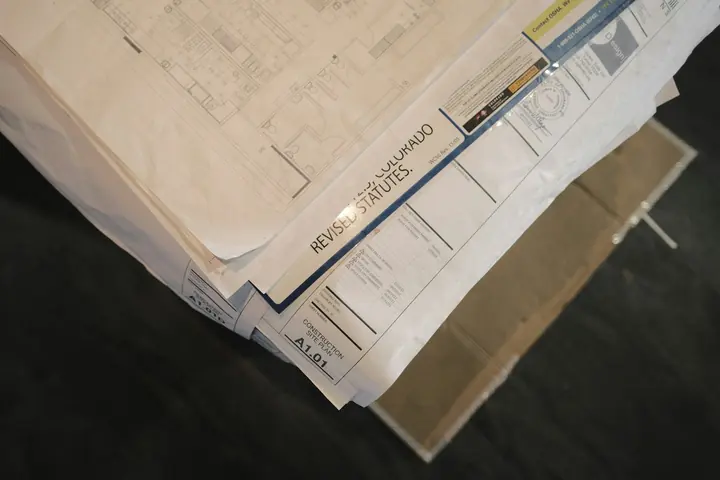
- Elevations and sections (PDF, and DWG if you have them), with grid lines, floor levels and dimensions.
- Facade areas by type: glazed curtain wall, windows, doors, cladding, louvers, railings and so on.
- The building's location and height, so wind pressure and exposure can be assessed.
- The design wind load, if your structural engineer has set it. If not, say so.
- Performance requirements: air, water and structural testing, thermal and acoustic targets, and fire requirements.
- Glass intent: type, thickness, coatings and colour, or the specification reference.
- Frame finish and colour: anodised, powder-coated or PVDF.
- Structure and fixing: slab-edge details, whether the structure is concrete or steel, and anchor positions.
Drawings: what is really useful
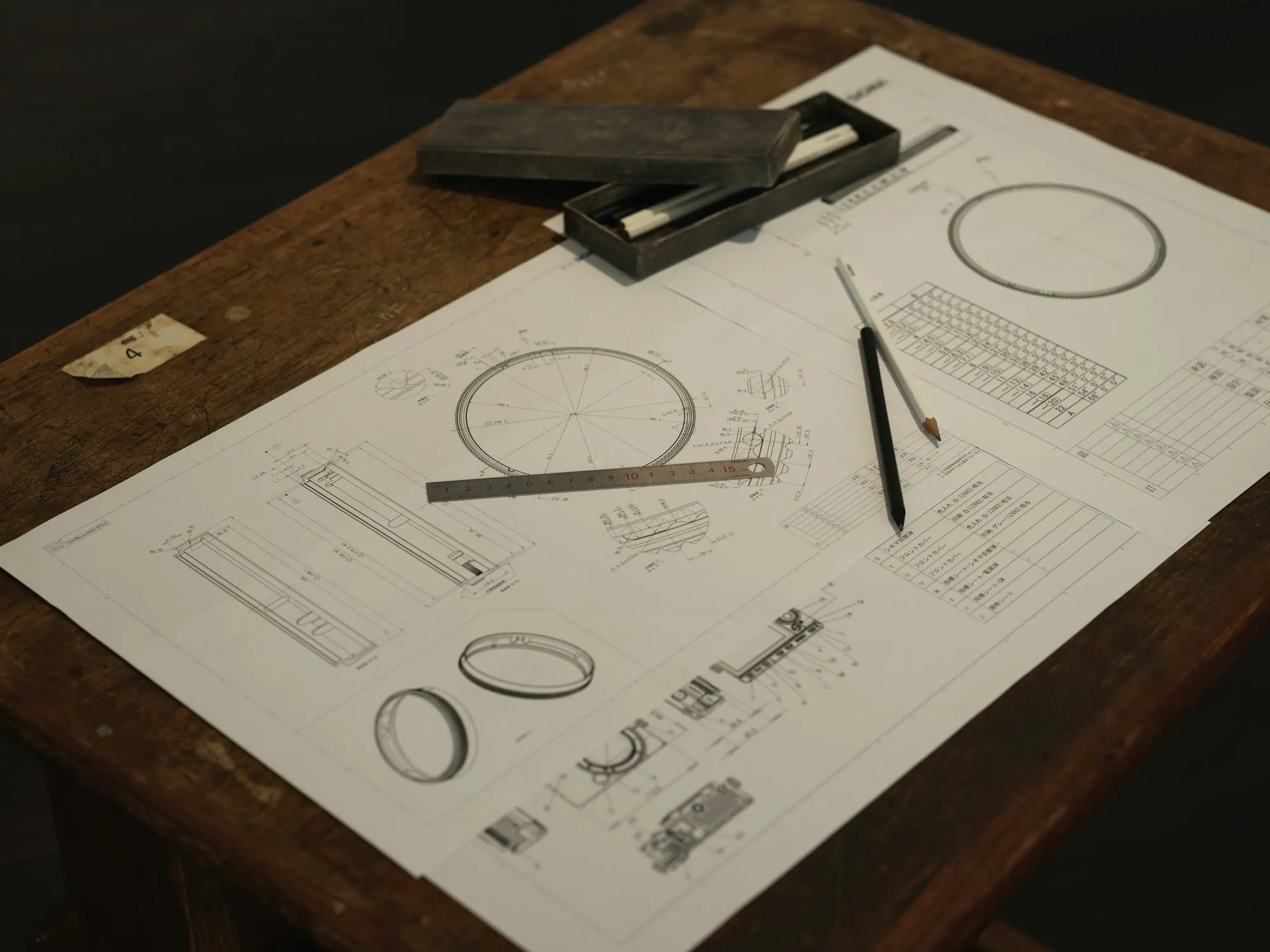
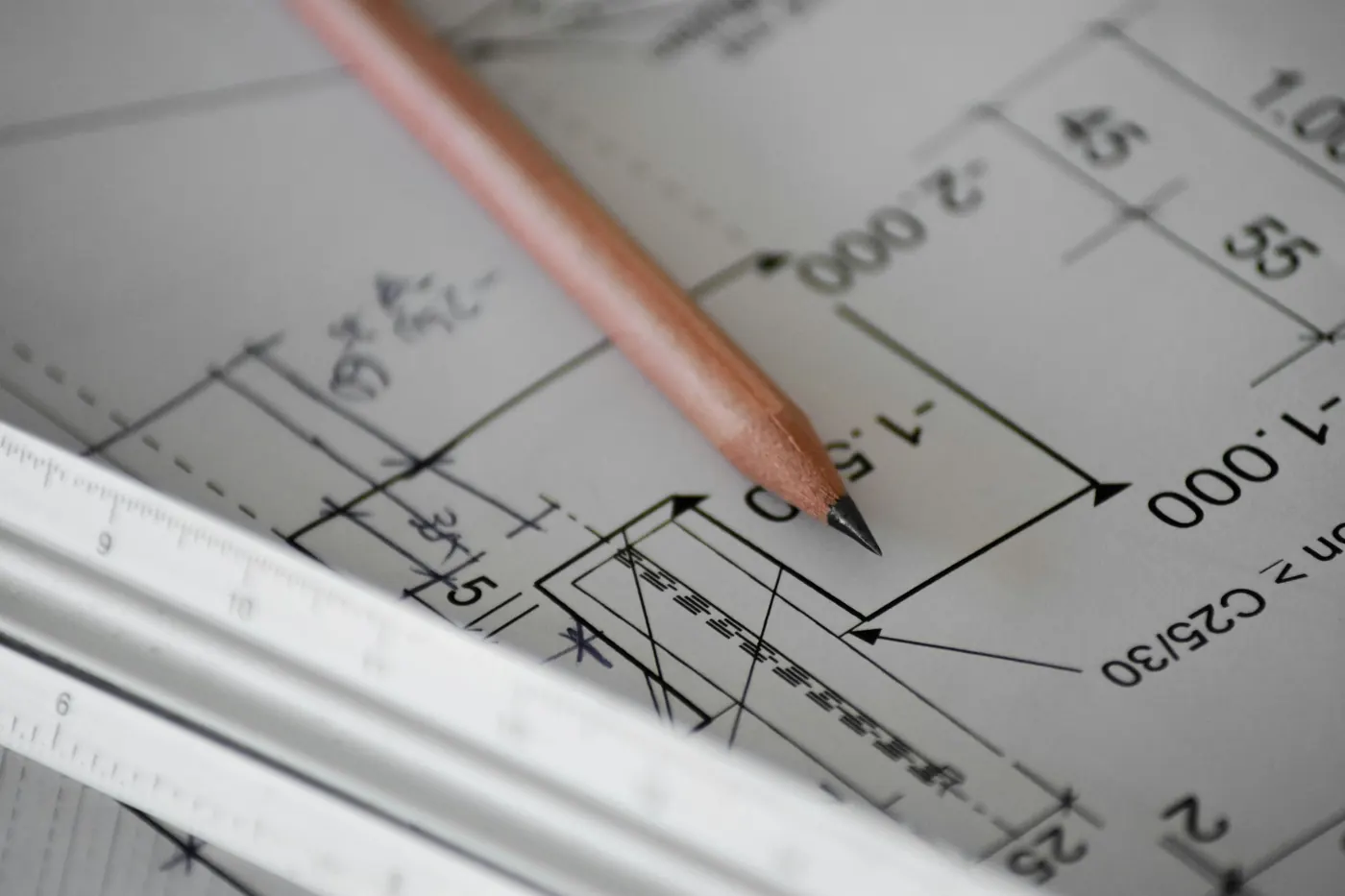
Good drawings are dimensioned, to scale, and show floor levels and grid lines so that the manufacturer can tell what is repeated and what is unique. Sections are as important as elevations, because the detail at the slab edge, the head and the sill decides the fixing method. If the drawings are at concept stage, say so: a price from concept drawings is a budget, not a firm quote, and it should be treated that way.
Send the latest revision and say which one it is. Quotes based on out-of-date drawings are the source of many arguments later. If a drawing is superseded, tell the manufacturer, and ask them to confirm which revision the price is based on.
Helpful if you have it
- The facade consultant's specification and any reference standards.
- The programme: when the mock-up, production and site installation need to happen.
- Access: floor-to-floor heights, whether scaffold, cradles or a building maintenance unit are assumed, and where materials can be stored.
- Photographs or details of facades you like.
- A budget range, if you can share it.
- Who else is involved: the architect, the main contractor and the consultant, so that questions go to the right people.
If you do not have everything yet
Send what you have and say what is undecided. A partial package is still enough for a first scope and a budget range, and it is better to find an open question now than during the mock-up. The more precise you can be about glass, finish and performance, the tighter the first offer will be. Flag your assumptions clearly. For example: wind load not yet set, glass not yet selected, tender drawings expected in six weeks.
What you get back
A measured scope, so you can see what has been taken as included and excluded, and an itemised offer, so you can compare it line by line with other quotes. We list the assumptions we made and the questions we need answered. A good quote is one that tells you what it does not cover as clearly as what it does.
How to compare quotes
- Check that every quote covers the same scope: the same areas, systems and finishes.
- Compare the specification line by line: alloy, thickness, glass, gaskets, hardware and coating.
- Look at what is excluded: scaffold, access, testing, cleaning, protection, warranty.
- Ask how changes are priced, and how drawings, mock-up and testing are included.
- Compare the programme as well as the price. A lower price that arrives later may cost more overall.
A short example of a good enquiry
Here is the shape of an enquiry that gets a useful reply. It is an invented example, to show the level of detail rather than any real project.
It is not complete, and it does not pretend to be. It states what is known and what is not, gives dates, and says what kind of answer is wanted. A manufacturer can respond to that with a sensible scope and a list of questions.
From enquiry to order: the usual steps
- Enquiry and first scope: what is included, what is assumed, and a budget range.
- Clarifications: the open questions are answered, and drawings are updated.
- A firm offer: priced from the final drawings and specification.
- Design development and shop drawings, reviewed by the consultant.
- The mock-up is built and tested, and the design is approved.
- Production, then delivery in the sequence the site needs.
- Installation, inspection and handover, with the records and manuals.
Knowing the steps helps you ask for the right thing at the right time. A budget is an early step, a firm price comes later, and neither replaces the mock-up.
Questions to expect in return
A good manufacturer will ask questions, and they are a sign of attention, not delay. Expect to be asked about the wind load and the structure, the glass and finish, the programme and access, the testing required and who is approving it. Expect, too, to be told what the quote does not include, so that nothing is a surprise. The faster those questions are answered, the faster the offer firms up.
Why quotes change
It helps to know in advance what usually moves a price after the first offer, so that you can ask about it early:
- A new drawing revision that changes areas, heights or details.
- A wind load that comes in higher than assumed, which changes the sections and the fixings.
- A glass specification that is heavier, larger or more complex than allowed for.
- A change of finish or colour, especially to a more durable or less standard one.
- Additional scope: more openings, more louvers, more railings, or an interface nobody had counted.
- A shorter programme, which can mean more shifts, more crews or air freight.
None of these is a surprise to a good manufacturer, and a good quote says which assumptions it rests on. If one of them is likely to change, tell us now and we can price the options side by side.
Mistakes to avoid
- Sending only a perspective image or a sketch and expecting a firm price.
- Leaving out the performance requirements, then adding them as a variation after the quote.
- Asking several suppliers to price different scopes and comparing the totals.
- Not telling the supplier about a tight programme until the order is placed.
- Waiting for the perfect package before asking anything. An early conversation often saves a redesign.
Ready to send? Use the enquiry form, or read our systems first to see where your project fits.
General guidance for orientation, not a specification. Applicable standards, values and details are confirmed per project with the facade consultant.