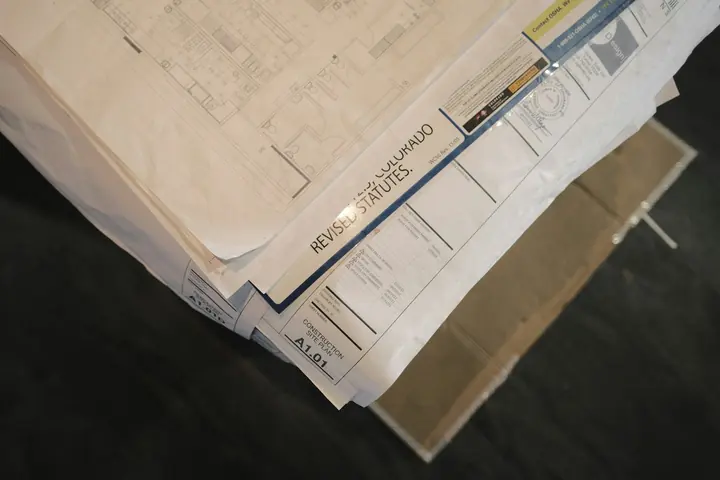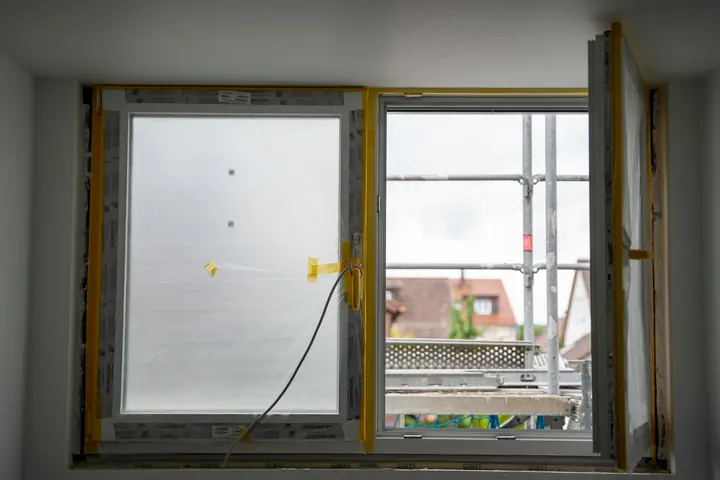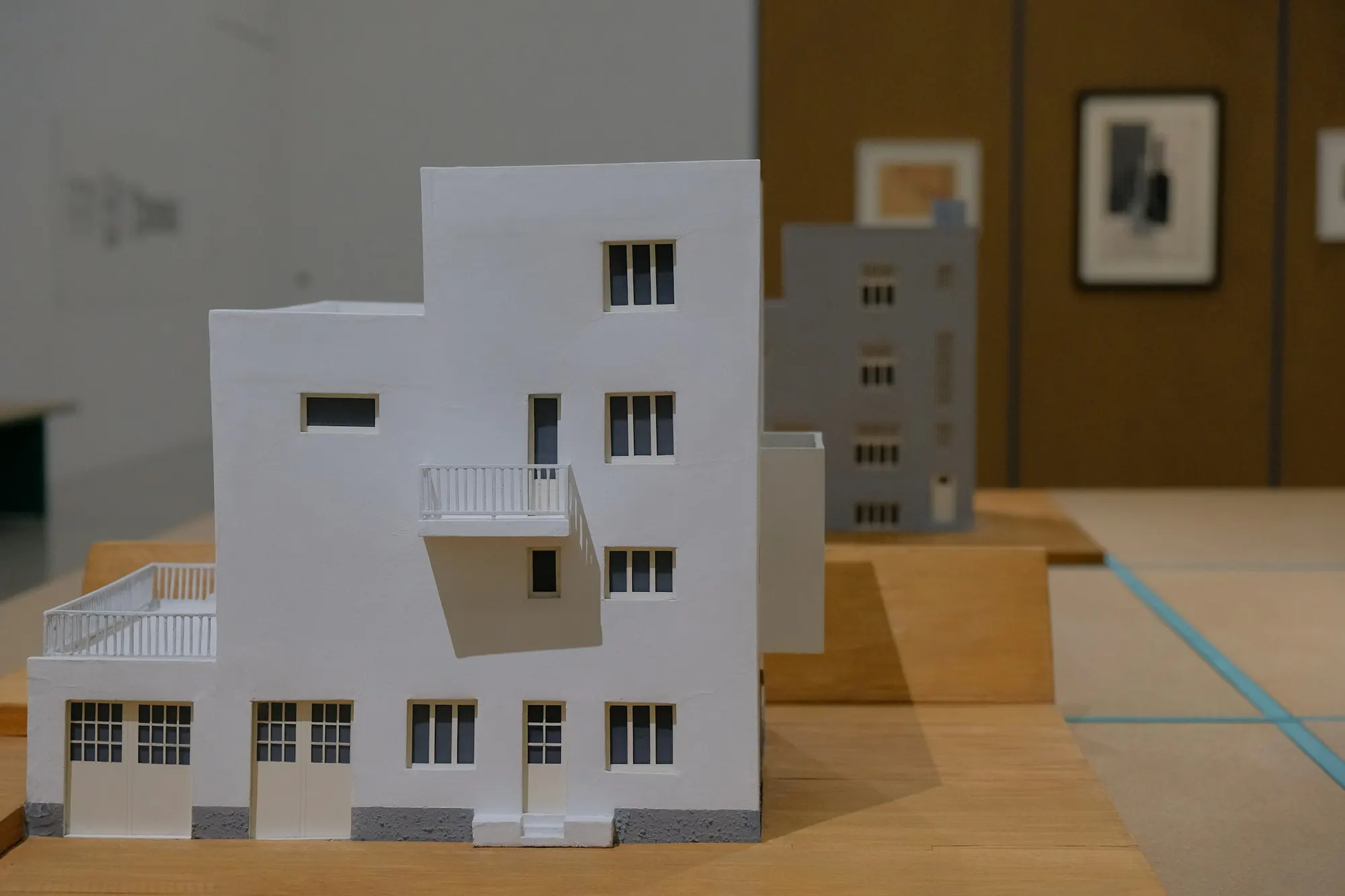
Many projects appoint a facade consultant and then hand over a set of architectural drawings with a one-line request to look it over. The result is usually a polite list of generic comments. The consultant is not at fault. A building envelope depends on site exposure, structure, programme, budget and the architect's intent, and none of that is visible on a plan. A good brief turns a general adviser into a specific one, and it costs very little to write.
Decide what you are actually hiring them to do
The title covers a wide range of work. Some consultants act early, shaping the concept so that the grid, the module sizes and the system choice are buildable. Others act mainly at tender stage, writing performance specifications and comparing bids. Others review the contractor's engineering, witness tests and inspect the installed work. Few are asked to do all of it, and the fee reflects the scope.
Write down which stages you want covered before you ask for a proposal. If the scope is vague, one consultant may price a single drawing review while another prices a full service through handover. Comparing those two fees tells you nothing. A short scope table with the stage, the deliverable and the expected number of reviews makes proposals comparable and avoids arguments about what was included.
Hand over the design intent, not just the drawings
Drawings show geometry. They rarely show what the architect cares about most. Say plainly which elements are fixed and which can flex. Is the thin sightline essential, or is it a preference? Must the glass be a particular tone, or is performance more important? Is the corner detail a signature feature or just a corner? Those answers decide where the consultant should push back and where they should work around the constraint.
Include visual references, the preferred finish family and any elevation that matters more than the others. A street frontage and a service-yard wall do not deserve the same attention, and a consultant who knows the difference will spend your fee where it matters. If there is an existing building to match or a neighbour to respect, show it. Intent that stays in the architect's head cannot be checked by anyone else.
Give the site and structure facts early
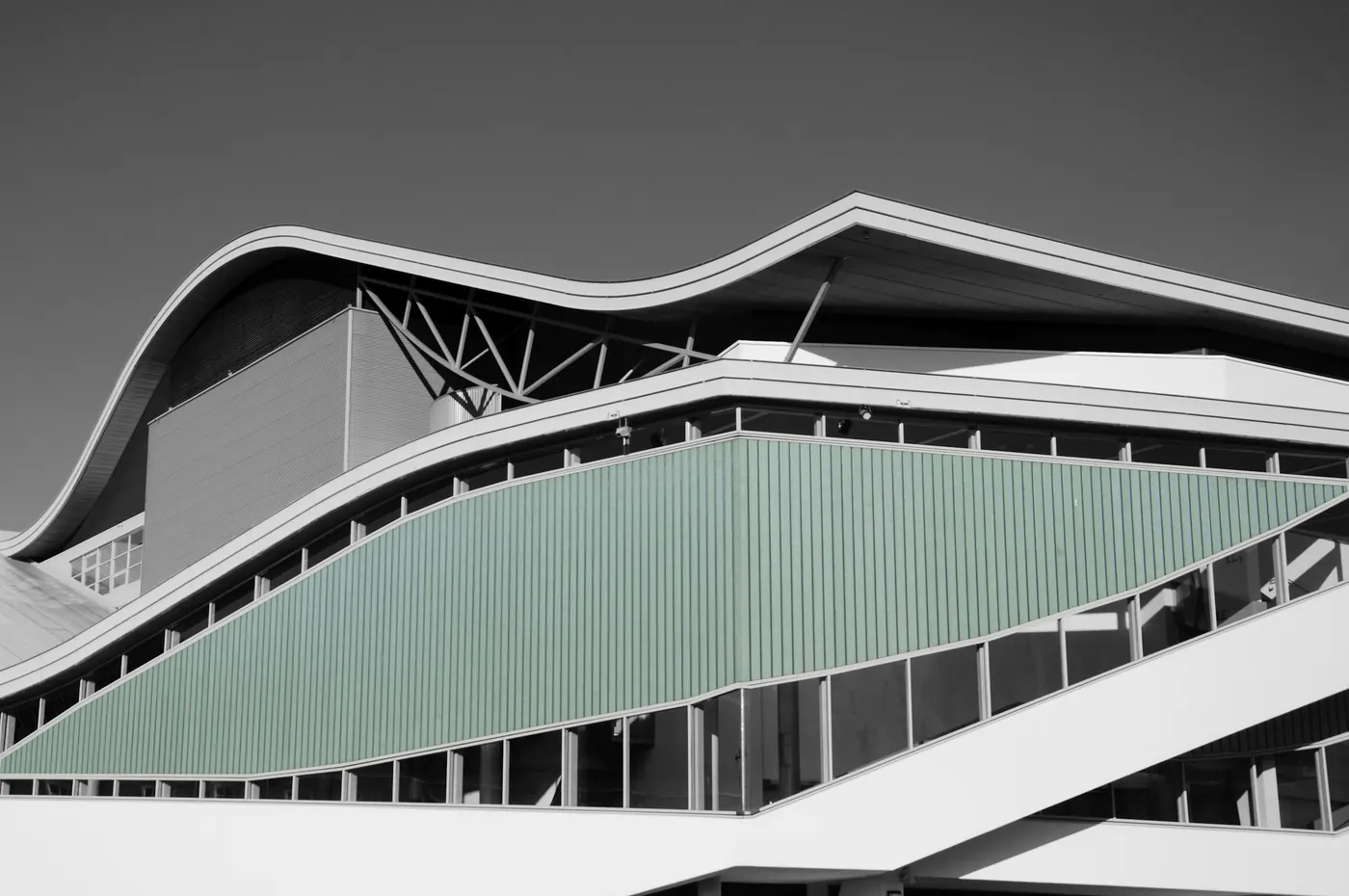
The same facade behaves differently on a sheltered courtyard and on an exposed tower face. Tell the consultant the location, the height of each elevation, the surrounding buildings, the prevailing weather, and whether the site is near the coast or in a dusty area. These facts drive wind load, finish choice and drainage detailing, and they are far easier to state at the start than to rediscover later.
Share what you know about the structure as well. Slab edge condition, floor-to-floor height, column positions and expected movement all affect how the facade is anchored. If the structural design is incomplete, say so and name who is responsible for finishing it. A consultant can flag the interface risks, but they cannot invent information the structural team has not produced yet.
Add the practical access constraints too: where cranes can stand, where materials can be stored, and whether a hoist or scaffold will already be on site. These shape whether a pre-assembled approach is sensible, and they link directly to the installation sequence the contractor will propose.
State performance goals and the budget honestly
Tell the consultant what the facade must achieve: thermal comfort, daylight, acoustic quality, water tightness, fire behaviour, maintenance access and expected life. Mark which goals are mandatory because of code or a client policy and which are aspirations. The specification sets the actual value for each, and the consultant should help you choose realistic targets rather than copy a number from another project.
Be open about the budget range and the programme. A consultant who knows the budget is tight will propose a simpler system, a repeating module or a standard finish rather than a bespoke design that cannot be afforded. Concealing the budget does not make the consultant more creative. It only delays the conversation until the tender, when changes are expensive. A frank budget also makes value engineering a planned step instead of a rescue.
If you already hold test evidence, previous project reports or manufacturer data, hand those over as well. Learning how to read them is its own skill, covered in reading a facade test report, and the consultant can tell you whether the evidence actually fits your project.
Questions to ask before you appoint
Ask for examples of work comparable in type, not in size or glamour. A consultant who has reviewed similar systems will know where the usual problems sit. Ask who will actually do the work, since the senior person who attends the pitch is not always the one who reads the drawings. Ask how they handle disagreement with the architect, and what they do when the contractor's proposal departs from the specification.
- Which stages of the project do you normally cover, and which do you suggest we skip?
- How do you review shop drawings, and how many review rounds does your fee assume?
- Will you set up and attend a mock-up, and who records the outcome?
- How do you stay independent of the contractor and the manufacturer?
- What do you need from us in the first two weeks to start properly?
- Which decisions will you expect the client, not the architect, to make?
Listen for specifics. Answers about process, such as how comments are tracked and closed, tell you more than claims about experience. A consultant who asks you good questions in return is usually showing the habit you are paying for.
How the consultant should work with the manufacturer
The consultant advises on the requirement. The manufacturer or contractor engineers, fabricates and installs the answer. The healthiest projects keep that line clear while letting both sides talk early. A consultant can help you prepare the package a bidder needs, and the list in what to send a facade manufacturer is a useful companion to the brief you give the consultant.
Agree how comments travel. If the consultant sends remarks to the architect, who passes them to the contractor, who replies to the client, delay is guaranteed. Set one route, one log and one person who closes each item. Agree also what the consultant may approve and what must come back to the client, because an unclear approval right is a common source of dispute when a drawing is returned late.
Plan the review points through the project
Put the checkpoints in the programme before work starts. Typical points include the concept check, the tender comparison, review of shop drawings, the mock-up review, factory or site inspection, and the final walk-through. Each should have a named reviewer, a deadline and a clear outcome: approved, approved with comments, or revise and resubmit.
Allow realistic review time. If a drawing set is submitted on a Friday and the programme expects approval on Monday, the review becomes a rubber stamp. A consultant who is rushed will either miss something or delay the whole facade. Treat their review window as a real part of the design timeline, not a gap to be squeezed.
Ask for short written outcomes after each review rather than long reports. A one-page note listing decisions, open items and who owns them is easier to act on than twenty pages of observations. Keep these notes together, because they become the record of why the facade is built the way it is.
Common briefing mistakes
- Sending drawings with no statement of intent, then expecting the consultant to guess the priorities.
- Hiding the budget and then being surprised when the tender is too high.
- Appointing late, after the grid and the system are fixed and only small changes remain possible.
- Leaving the scope vague, so two parties assume different review rounds.
- Treating the consultant as a rubber stamp instead of a second pair of eyes.
- Forgetting to tell them about the site conditions that matter, such as a coastal setting or a restricted crane position.
Most of these come down to the same habit: assuming the other party can see what you see. A short written brief forces you to decide what you know, what you do not, and what you want from the engagement. It also gives the consultant something to push against, which is where useful advice begins.
A single page covering the intent, the site, the structure, the goals, the budget and the programme is enough to start. Add the drawings and references behind it, name the decision-makers, and agree the review points. Then let the consultant do what they are for: asking the awkward questions while the answers are still cheap to change.
General guidance for orientation, not a specification. Applicable standards, values and details are confirmed per project with the facade consultant.