Hardware is a small part of a window's cost and the part people touch most. A handle, a stay or a lock is used thousands of times, and its feel is how occupants judge the whole window. A sash that closes smoothly and locks firmly makes the seals work. One that sticks, drops or rattles tends to be remembered as a poor window, whatever its frame or glass. This article sets out how the main parts work and the points to check when specifying or approving them.
Hardware is part of the weather seal
It is easy to think of hardware as convenience and security. In a casement window it is also part of the weather performance. The sash is pulled against its gaskets by the locking points, and the gaskets only seal if the pressure is even. A lock that is out of adjustment, or a sash that has sagged, leaves a gap at one corner where wind and water can pass.
For this reason hardware should be reviewed together with the frame, the sash and the seals, not as a separate shopping list. The same sash with a different lock position can seal differently. Ask the supplier to show the sash section, the gasket and the hardware positions on one drawing.
The main parts and what they do
A typical casement has hinges or friction stays to carry the sash, a handle to operate it, and a lock or locking points to hold it closed. A sliding window or door has rollers, a track, a lock and a handle. Each part has a different job, and each wears in a different way.
- Hinges and stays: carry the weight of the sash and set how far it opens.
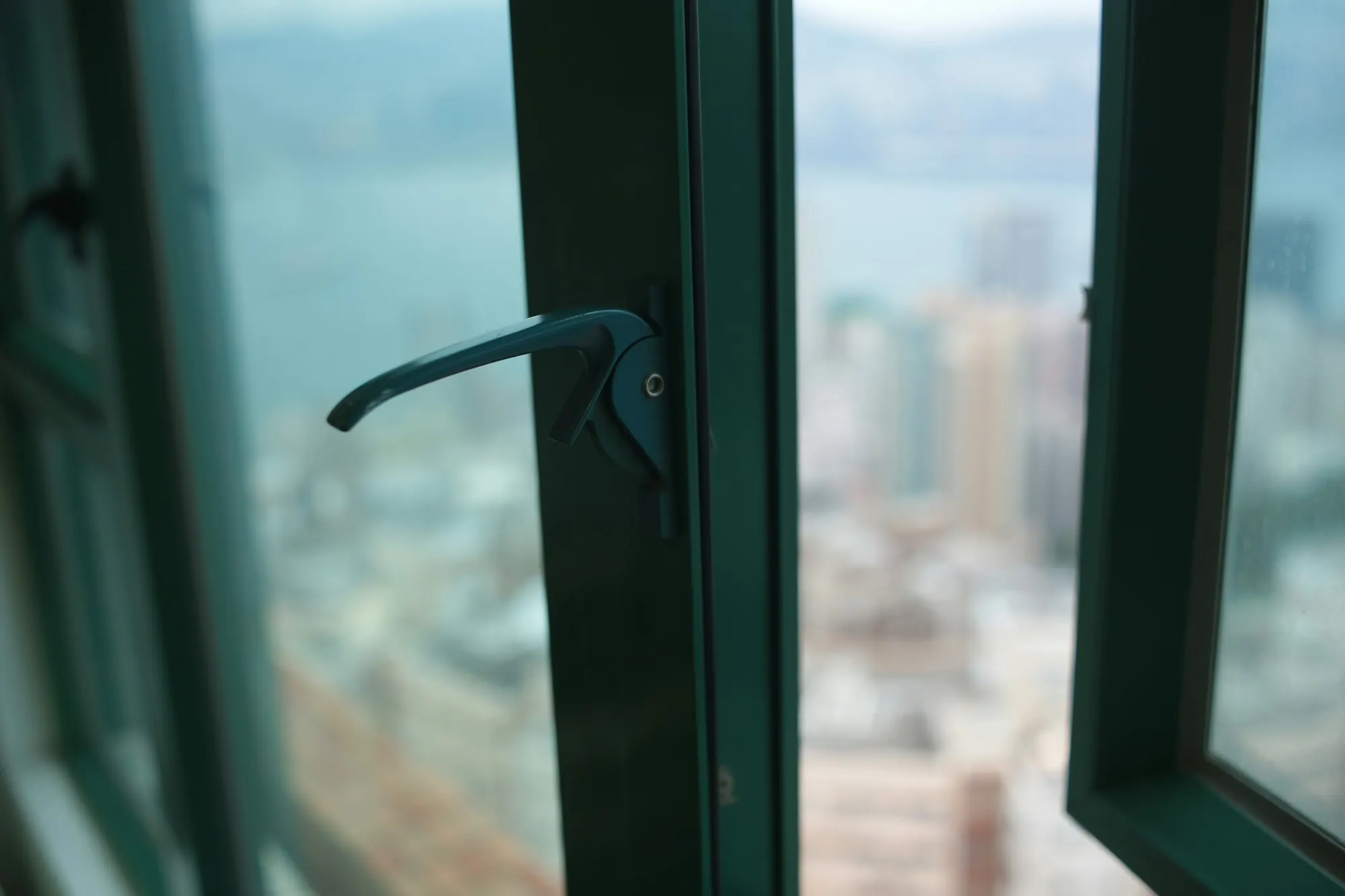
- Handles: let the user operate the sash and drive the locking mechanism.
- Locks and keeps: hold the sash closed and pull it against the seals.
- Rollers and tracks: carry and guide a sliding panel.
- Restrictors and limiters: stop a sash from opening too far, especially on upper floors.
Material and corrosion
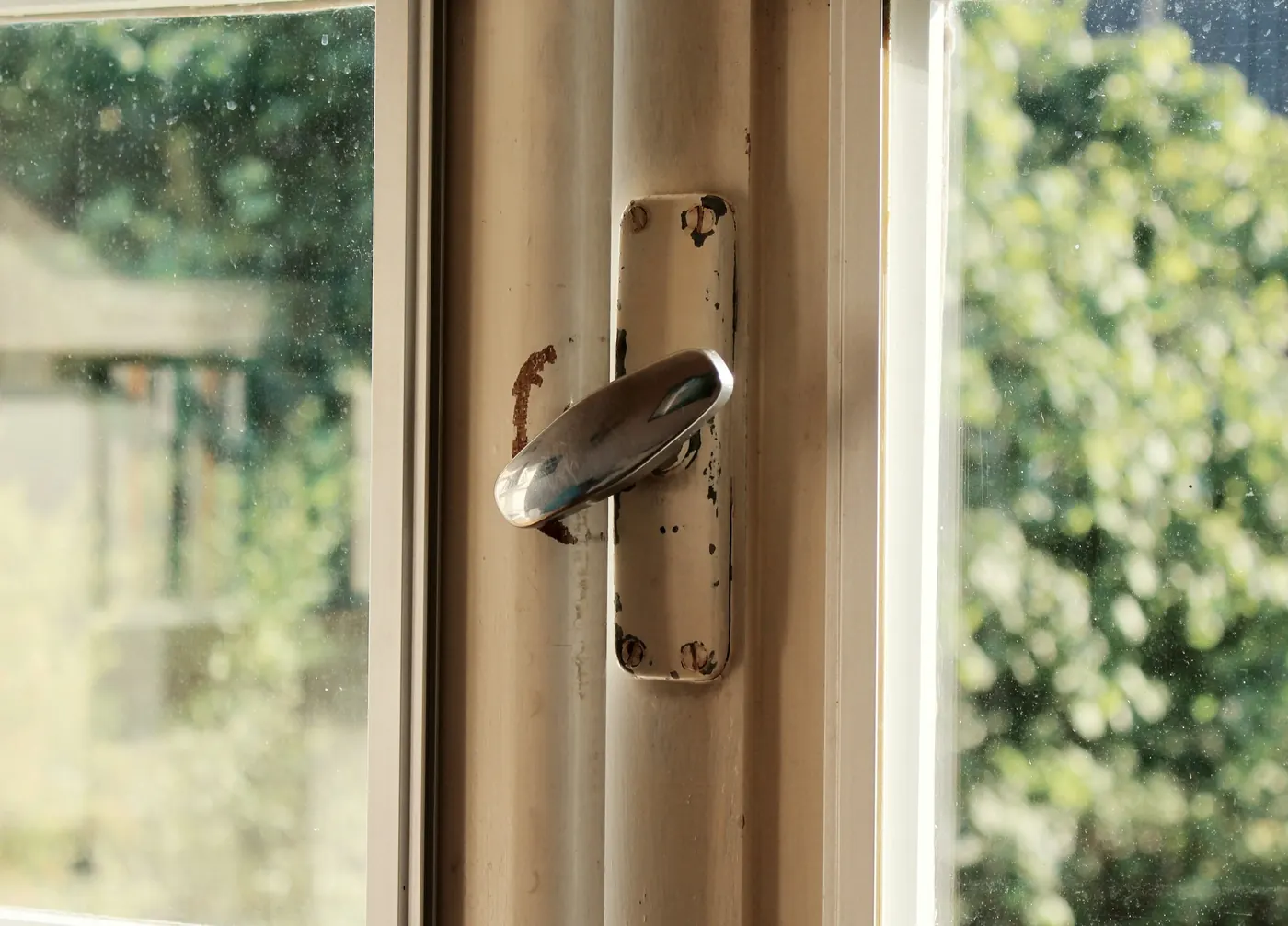
The materials most commonly used are stainless steel, zinc alloy, aluminium and coated steel. Each has strengths. Stainless steel resists corrosion well, zinc alloy is easy to shape, aluminium is light and coated steel is economical. What matters is how the finish and material match the site. A building near the sea, in a polluted area or beside a pool is much more demanding than one inland.
Be wary of generic claims. Ask which material the parts are made of, which finish they have and what testing, if any, the supplier relies on for that finish. Fixings should be compatible with the frame, since contact between different metals can cause corrosion. Hardware that looks identical on a sample board can behave very differently after a few years of salt air, so request site-specific advice.
Load and size
Hardware has a stated capacity for the sash weight and size it can carry. Heavy double-glazed sashes put more load on hinges, and tall sashes put more leverage on the locking points. If a window is larger or heavier than the hardware's intended range, the sash can drop, the corners can rub and the seals can fail early. Check the capacity against the real glass and frame weight, not against the nominal size.
This links to glass selection. Moving from a single to a double-glazed unit, or adding a laminated pane, raises the weight. The glass selection guide explains those options. Make sure hardware is re-checked when the glass build-up changes late in the project.
Fit, adjustment and tolerance
Even good hardware depends on accurate fabrication. Keeps must sit exactly opposite the locking points, hinge positions must be machined to tolerance and sash corners must be square. The extrusion tolerances guide explains why the profile itself has to be consistent. A small error in the frame shows up as a lock that is hard to turn.
Adjustability is an advantage. A hinge or keep that can be moved a little after installation allows the sash to be tuned as the building settles and the seals bed in. Ask which parts can be adjusted without removing the sash, and who is expected to do it. A window that cannot be adjusted may need replacement when a small shift would have solved the problem.
Security, safety and access
Locks have a security job and a safety job. At ground level and on accessible balconies, security matters. On upper floors, the ability to open a window is limited for safety, and restrictors are common. Local rules on fall prevention and emergency exits vary, so these items are set by the code and the project requirements, not by catalogue choice.
Accessibility also matters. Handles should be reachable and operable without strong grip, and the force needed to open and close a sash should be moderate. Where windows serve as ventilation in a tall building, think about who will open them, how often and with what tools. A hardware set that suits a small residential window may not suit a large commercial one.
Sliding hardware is different
Rollers, tracks and interlocks carry the load on a sliding window or door, and their wear is different from a hinge. Dust, sand and grit get into the track and shorten roller life. A sliding panel also needs a lock that engages cleanly and a handle that suits the stile. See sliding windows and doors and casement or sliding windows for the broader choice.
For balcony doors the track and drainage matter as much as the lock. The balcony sliding doors guide covers that. For all sliding units, ask how a roller is replaced, whether the panel has to be removed and who has the tools to do it.
Most hardware problems begin with dirt and dryness. Dust and grit act like an abrasive in hinges and rollers, and a dry mechanism wears and squeaks. A gentle clean with a soft cloth and mild cleaner, followed by the lubricant the supplier recommends, is usually enough. Strong solvents and abrasive pads can damage a finish or a plastic part and are best avoided. Ask the supplier for a one-page care note that names the cleaner and lubricant that suit the finish, and attach it to the handover file.
Occupants should also know what not to do. A window should not be forced shut against an obstruction, used to hold a heavy item or left open in strong wind with a loose stay. A short instruction sheet at handover, with simple pictures, can prevent damage that would otherwise be put down to poor hardware.
Care, spare parts and service
A window may outlast its hardware by a long time. Ask the supplier how long a part will remain available, whether it is a stock item or made to order, and how it can be replaced. Parts that are unique to one project, or from a supplier that may not be there in ten years, carry a hidden cost. Some projects keep a small stock of handles, keeps and gaskets for the building.
Record the hardware in the handover documents: type, finish, supplier and fixing details. The warranty guide explains how hardware fits in defect liability, and what maintenance the warranty may require. A short note on cleaning and lubrication, in plain language, helps occupants avoid damage.
What to check on a sample
- Operate the sash many times, and feel for stiffness, play or rattle.
- Check that the locking points pull the sash evenly against the gasket.
- Look at the finish at edges, screws and hidden corners.
- Confirm the load rating against the real sash weight.
- Ask what can be adjusted in place and what cannot.
- Ask for the replacement route for each part.
A sample window on a bench does not show everything, but it reveals the quality of the fit and the feel. Ask also for a sample from the actual production batch at an early stage, so the project can compare it with the approved sample.
General guidance for orientation, not a specification. Applicable standards, values and details are confirmed per project with the facade consultant.