In many Indian homes the insect screen decides whether a window is actually used. Without it, residents keep the sash shut at dusk and run the air conditioning, so the window design that promised natural ventilation delivers little. Yet the screen is often added late, bought by the owner after handover, and fitted wherever it happens to go. That is how screens end up blocking handles, jamming tracks or covering drainage openings. This article looks at the screen as part of the aluminium window, so it can be planned along with the frame.
Why the screen belongs in the window design
A screen is a second leaf, with its own frame, its own fixings and its own cleaning needs. It sits in the same opening as the glazed sash, so it competes for the same space. The window's sightline, the sill depth, the handle position and the opening direction all decide whether a screen can fit well. A casement window and a sliding unit make very different demands, and a screen designed for one will not suit the other.
Treat the screen as part of the fenestration package. Ask the supplier whether the profile system has a purpose-made screen section, with its own track or clip, or whether the screen is a separate product fitted to the outside of the frame. A purpose-made section usually looks tidier and respects the drainage path. A bolt-on screen can work, but it needs the same care as any other attachment to the frame.
Casement windows: which way does the sash open
The first question on a casement is the opening direction. An outward-opening sash leaves the room side free, so a screen can sit inside the opening as a fixed panel or a small hinged leaf. Residents can then operate the handle freely, and the screen protects the room from insects while the sash is open. The screen must clear the stay, the friction hinges and the handle when the sash swings.
An inward-opening sash is harder, because the screen would be in the path of the leaf. The usual answers are a screen on the outside, which is awkward to reach on upper floors, or a roller or pleated screen that retracts. Neither is a minor decision for a tall building. Check how the screen will be removed for cleaning, and whether someone can do it safely from inside. For the leaf itself, read the article on window hardware alongside the screen detail.
Sliding windows: track, stile and the fixed panel
A sliding window usually has a spare track or a dedicated mesh track beside the glass tracks. The screen slides in that track, so the frame depth must be enough for glass, mesh and the clearance each needs. If the supplier offers a sliding window without a mesh track, the screen has nowhere to go, and a clip-on fix may be the only option. Ask for the section drawing before choosing the profile series.
A screen on a balcony sliding door faces more wear, because people walk through it and children push it. The lower rail needs wheels or guides that tolerate dust, and the handle needs to work with a gloved or full hand. Tracks collect dust and rainwater, so the guide to balcony sliding door tracks and drainage explains why the screen should never sit in the drained part of the sill.
Choosing the mesh material
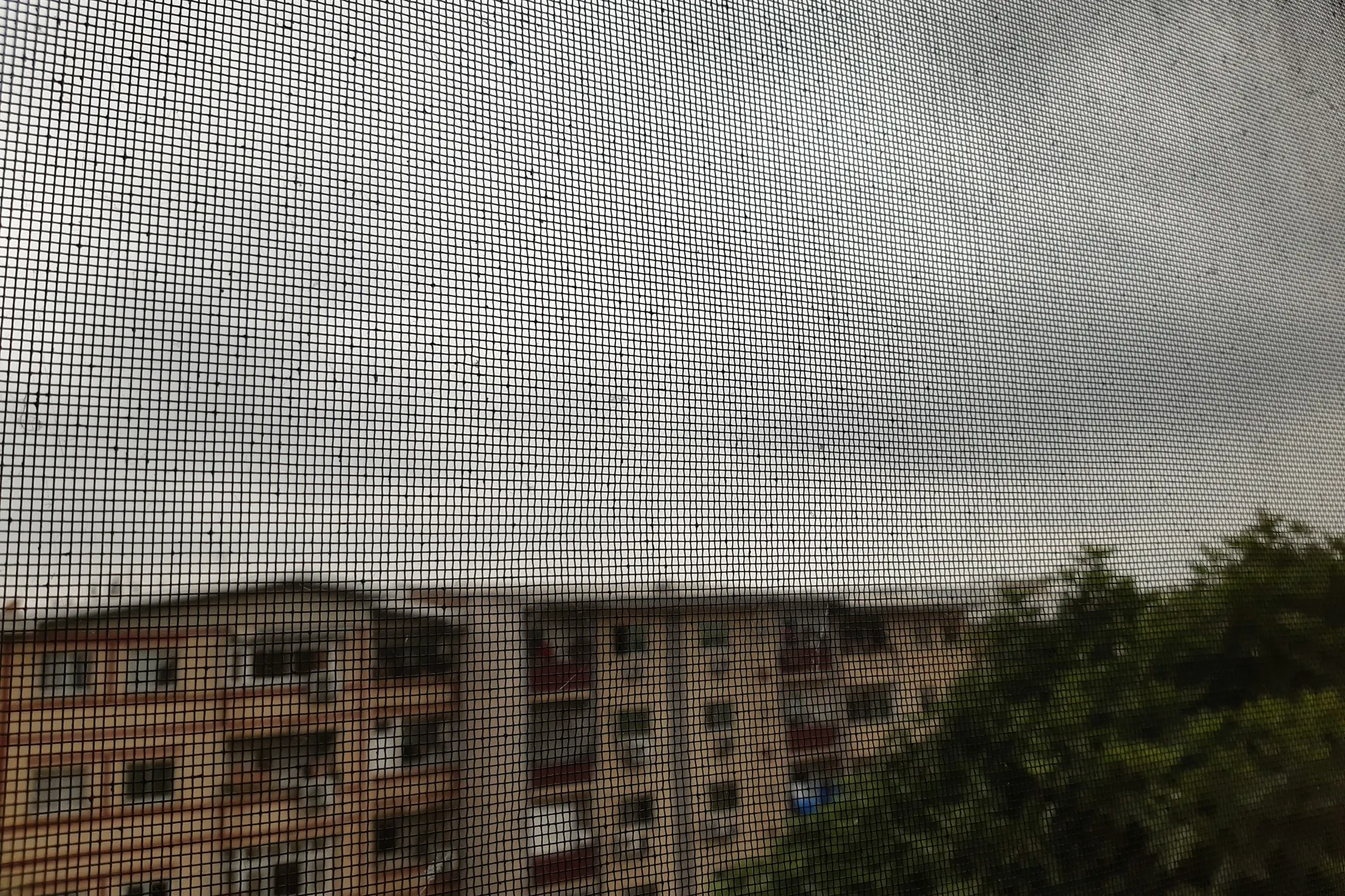
The common mesh materials are fibreglass, aluminium and stainless steel, with a plastic-coated weave in some systems. Fibreglass is light, flexible and inexpensive, but it can sag, tear or fade under strong sun. Aluminium mesh is stiffer and holds its shape, though it can dent and, in coastal air, can corrode at the cut edges. Stainless steel is strong and resists many pests, but it costs more and can look heavier. None of these is right for every site.
Match the mesh to the exposure and the occupants. A ground-floor villa near a garden may need a finer weave and a tougher material than a high-rise apartment. A coastal home should follow the advice in the guide on coastal exposure and aluminium, since a mesh in a different metal can set up galvanic corrosion at the frame. Ask for a physical sample, hold it against the light, and judge the view before approving a whole building.
Frames, corners and fixing
A screen frame is a small aluminium assembly, and its quality shows at the corners. Look for mitred or keyed corners that stay square, a spline or clip that holds the mesh evenly, and a finish that matches the window. A frame that twists will not seat, and a mesh pulled unevenly will ripple. The finish should follow the window's coating, so the options in anodised, powder-coated or PVDF finishes apply to the screen too.
Check the seal where the screen meets the window frame. A brush pile or a soft gasket closes the small gap that insects find. The seal must not be glued across weep openings or drainage slots, and it must not press so hard that the screen binds. Fixings should be stainless or coated, and the screen should come out easily for cleaning without tools that damage the frame. Ask how a spare mesh panel can be re-fitted in future.
Airflow, light and the view out
Every mesh reduces airflow a little, reduces light a little and softens the view. A finer weave blocks smaller insects but passes less air and shows more of the mesh itself. A darker mesh tends to disappear against the view, while a lighter one can glare in strong sun. These effects are small, but on a large opening they accumulate. Look at a full-size sample on site rather than a swatch in an office.
Do not assume the screen solves a ventilation shortfall. The usable opening of a sliding window is limited by the fixed panel, and the screen reduces it further. If a bedroom depends on a window for fresh air, check the open area and the position of the opening, not only the frame size. The guidance on choosing between casement and sliding windows covers how the type affects the opening before the screen is added.
Pets and children deserve a thought too. A light mesh in a sliding door can be pushed out or torn by a determined animal, and a low screen is easily kicked. If the opening is used daily, ask about a reinforced weave or a protective bar across the lower part of the panel. These small additions cost little at the design stage and avoid repeated repairs.
Monsoon, dust and cleaning
Mesh catches dust, pollen and fine grit, and in the monsoon it holds water droplets that can drip onto the sill. A screen that traps debris can also clog the track below it. Plan for cleaning at least once a season, using a soft brush, mild soapy water and a rinse, without pressure that could stretch the weave. Remove the screen where the supplier allows it, and clean the track before the screen returns.
Keep the drainage path clear. A mesh frame or a seal strip must never cover the weep outlets, and a thick layer of grime in the track can send water back toward the room. The guidance in window drainage and weep holes explains why those small openings matter. A screen is the first thing to catch litter in a sill, so check the track whenever the mesh comes off.
Questions to ask the supplier
Before ordering a building's worth of windows, ask a few direct questions. Is the screen a purpose-made section of the profile system or a separate product? Which direction does each sash open, and where does the screen sit? Which mesh materials are offered, and what is the maintenance and replacement route? Can the screen be removed from inside, and is the finish matched to the frame?
Then ask for one assembled window with its screen, fitted into a sample wall opening. Open and close it, remove and replace the screen, and look at the sill with the screen in place. Include the screen in the window drawings that go for approval, so it is reviewed along with the glass, the hardware and the drainage. For the wider set of documents a manufacturer needs, see the guide on what to send a facade manufacturer.
General guidance for orientation, not a specification. Applicable standards, values and details are confirmed per project with the facade consultant.