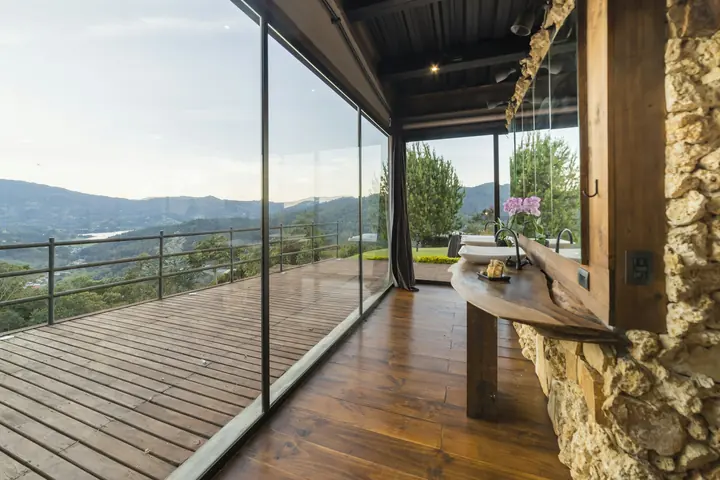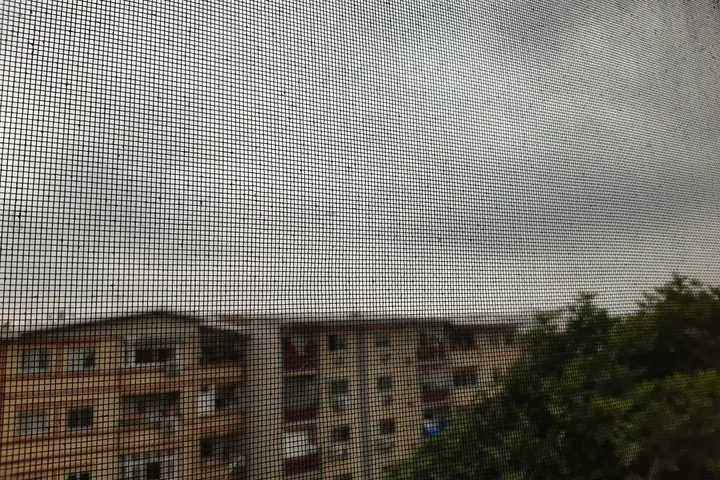
A villa or low-rise home is bought differently from a tower. The owner often chooses the windows personally, deals with a local fabricator, and lives with every handle and track for decades. The scale is smaller, but the details matter just as much. Rain meets the glass directly, children lean on the doors, and the garden brings dust and insects. This article lists the questions worth asking before you commit, so you compare complete window systems and not only a price.
Most of these questions cost nothing to ask. They are not meant to catch a supplier out, only to show whether the person quoting understands the product. A supplier who welcomes them is probably one who has thought about the details already.
Start with the rooms, not the catalogue
List what each opening has to do. A bedroom wants ventilation, privacy and quiet. A living room opening onto a garden wants width, light and a safe threshold. A bathroom wants fresh air without a view in. A staircase window may be out of reach, so it needs hardware that works from a distance. Write this down before looking at samples, because a good-looking sliding door can be the wrong answer for a small bathroom.
Then match the type to the job. A casement window is hinged, seals well when closed and opens to nearly the full area. A sliding unit saves floor and curtain space and suits wide openings. A fold-and-slide set opens a corner of the house to the garden. The article on choosing between casement and sliding windows sets out how the two behave, and the pages on casement windows and sliding windows and doors describe the systems.
Ask how the frame manages heat
Aluminium conducts heat readily. In a sun-facing room, an ordinary frame can become hot to the touch, pass heat to the interior and, in an air-conditioned home, attract condensation on the cold inner surface. A thermal break separates the inner and outer parts of the profile with an insulating strip, which slows that flow. Ask whether the proposed profile has one, and how the strip is held.
Do not stop at a yes. Ask for a section drawing, and ask what the supplier claims the break achieves. Be wary of figures with no source, and remember that glass usually dominates the heat through a window. The article on thermal breaks in aluminium frames explains the construction, and the one on condensation on windows covers why cold frames sweat.
Check the glass as carefully as the frame
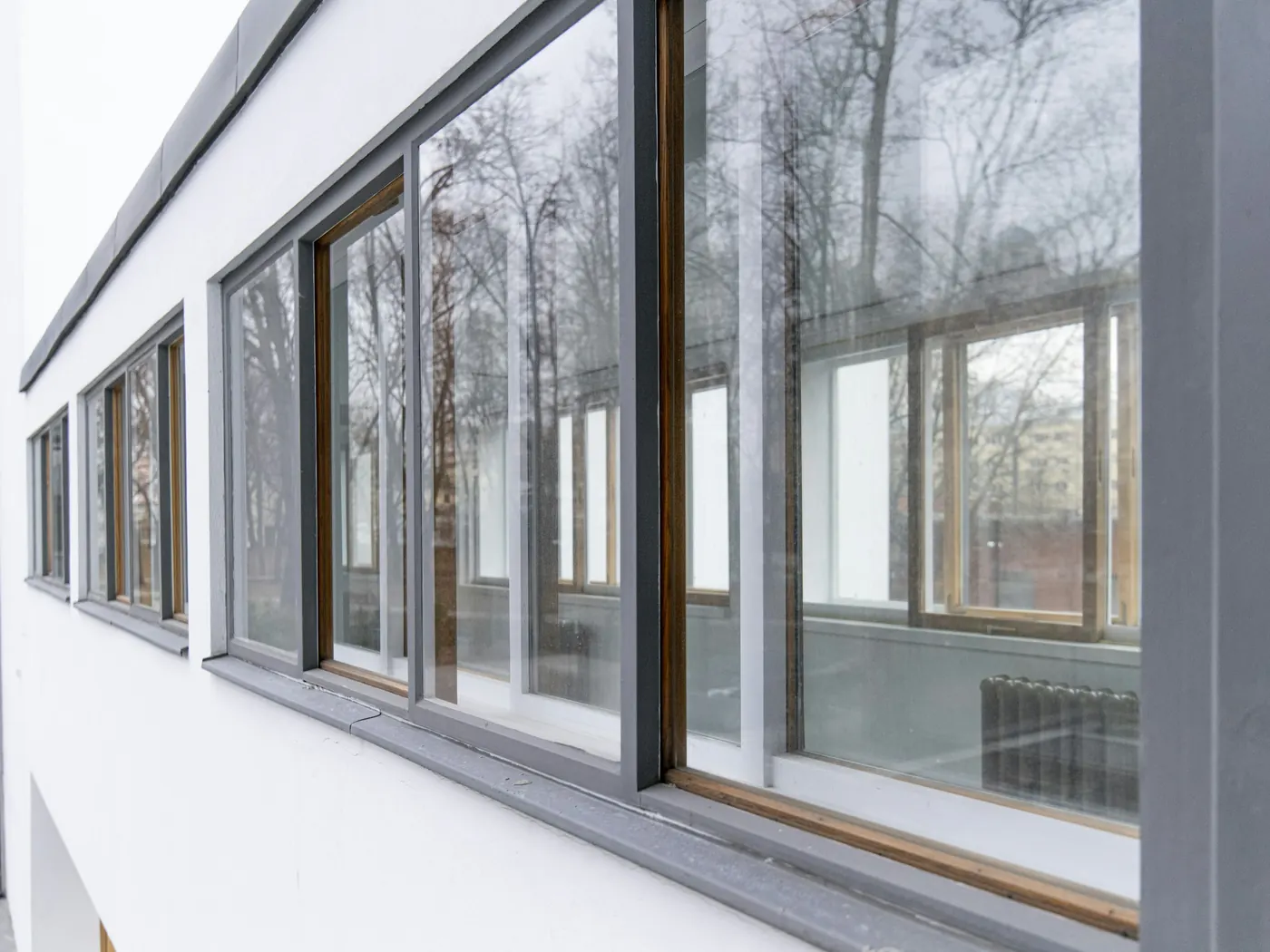
Homeowners often focus on the profile and treat glass as a default. In practice, the glass sets the comfort, the noise level and the safety of the opening. Ask what glass is proposed in each room, and why. A sun-facing living room may need solar-control glass. A ground-floor door or a window near a staircase may need safety glass. A room beside a road may benefit from a different build-up.
Read the guides on choosing facade glass and on laminated or toughened glass before the meeting, so you can ask informed questions. If the glass is an insulated unit, ask how its edge is sealed and how it sits in the frame. Never accept a thickness or build-up that cannot be explained for that opening. A reputable supplier will show the logic, not just the price.
Follow the water through the frame
A villa window takes rain directly, often in a monsoon that arrives sideways. Good aluminium systems manage some water in the frame and send it out through drainage slots or weep openings. Ask to see where water enters the outer chamber, where it leaves, and what stops it from reaching the room. The explanation in the article on window drainage and weep holes is worth reading before the site visit.
Then look at the wall. The window is only as dry as its junction with the masonry. Ask who supplies the sill, who fits the flashing or sealant, and who is responsible if water appears at the joint. The advice on monsoon-proof facades and windows shows how many of these leaks come from the interface and not the frame. A written scope removes the argument later.
Look at the hardware you will touch every day
Hinges, handles, locks and rollers are the parts you use daily, and the parts that fail first. Ask for a sample, operate it, and listen for rattles. A sliding door needs rollers that carry the weight of the glass, and a lock that engages cleanly. A casement needs hinges that hold the sash square. Look for a finish that resists the local air, which is especially important near the coast.
The article on window hardware lists what to check. Also ask whether spares are stocked, and how long a replacement takes. A window that cannot be repaired because a handle is discontinued becomes a nuisance. Ask also about child safety and security: restrictors on upper floors, and locks that cannot be forced by lifting a sliding panel out of its track.
Plan the installation and its responsibilities
Installation decides how the window performs. The frame must be fixed square, plumb and level, with the right gap around it, and the gap sealed in the right order. Ask who installs, whether they are the fabricator's own team, and how they protect the finish during plastering and painting. The guide to the installation sequence on site describes why order matters, and the same logic applies on a small house, only with fewer trades on the scaffold.
Agree the sequence with the builder. Windows set before plastering get splashed and scratched. Windows set after need accurate openings. Mark who fixes the sill, who seals the perimeter, and who cleans the glass and tracks at handover. Ask for a sample opening to be completed first, inspected and signed off, so every later window repeats a detail you have already seen working.
Think about garden doors, safety and daily use
Large garden doors are where a villa meets the outdoors, and where most day-to-day trouble starts. A wide sliding door must carry heavy glass on its rollers, keep a safe threshold for children and older relatives, and stay secure at night. A slide-and-fold door opens a whole wall but needs floor tracks that stay clean and drained. Read the guide on slide-and-fold doors before you choose one.
Think about how the family actually lives. Pets, prams and wet feet affect the threshold. Mosquitoes affect whether the door is opened at dusk, so ask how an insect screen will fit. Upper-floor windows and balcony doors need restrictors or guards, and glass near the floor needs safety glass. None of this is difficult, but it is far easier to settle on the drawing than after the plaster is dry.
Ask about finish, warranty and after-sales
Aluminium can be anodised, powder-coated or PVDF-coated, and the choice affects appearance and durability. The guide on choosing an aluminium finish explains the trade-offs. Ask which finish is proposed, what colours are available, and how to clean it. Avoid abrasive cleaners, which dull the surface and void most guarantees.
Ask for the warranty in writing, with what it covers, who honours it and for how long. Read the section on facade warranty and defect liability so you know what a meaningful document contains. Ask what documents come with delivery, such as drawings, finish details and care instructions. A supplier who answers these calmly is usually one you can call back in five years.
Compare like with like
When quotations arrive, line them up on the same basis: the same sizes, the same glass, the same hardware, the same finish and the same scope. A lower price often hides a thinner profile, a plainer glass, a smaller scope or an installation left to you. Use the checklist in what to send a facade manufacturer to prepare a clear enquiry, so each quotation answers the same question.
Visit a finished house by the same supplier, if possible, and look at the windows after a monsoon. Run the sliding panels, test the locks and check the sills. Ask the owner what they would change. A short conversation with a living customer reveals more than a brochure. Choose the supplier who can explain the details, and the system whose weak points you now understand.
General guidance for orientation, not a specification. Applicable standards, values and details are confirmed per project with the facade consultant.